Designing senior living and resort-style communities is about more than meeting code; it’s about creating environments where older adults feel safe, comfortable, and connected every day. Yet, across dozens of projects, we’ve seen recurring challenges: outdoor spaces that go unused because of wind or heat, interiors plagued by noise or glare, and ventilation systems that miss the mark on health and comfort. These issues don’t just affect resident well-being, they impact occupancy, operational costs, and brand reputation.
As an engineering consultancy specializing in climate and performance engineering in wind, microclimate, acoustics, ventilation, and enclosure performance, we support design teams ensure their design objectives and occupant comfort goals are achieved in the context of their local climate.
In this blog we share insights learned from real senior living design projects that highlight how early climate and performance insight can strengthen design decisions and improve comfort, usability, and long-term outcomes.
Why Comfort Matters in Senior Living Design
In senior communities, comfort isn’t a luxury; it’s the daily lived experience of older adults in courtyards, dining rooms, memory care gardens, rooftops, and resident suites. It spans wind and microclimate, temperature, light, sound, and air. The outcome is simple: spaces residents actually use, staff can maintain, and operators can support.
8 Performance Insights in Senior Living Design Informed by Testing and Analysis
Senior living communities should deliver more than visual appeal. The great ones create spaces that foster comfort and support long-term success.
Across projects, one pattern is consistent: when comfort and performance are approached holistically and brought into the conversation early, design teams face fewer surprises later. These insights point to where integrated analysis has the greatest impact, and where risk tends to hide.
1. Test outdoor microclimates early
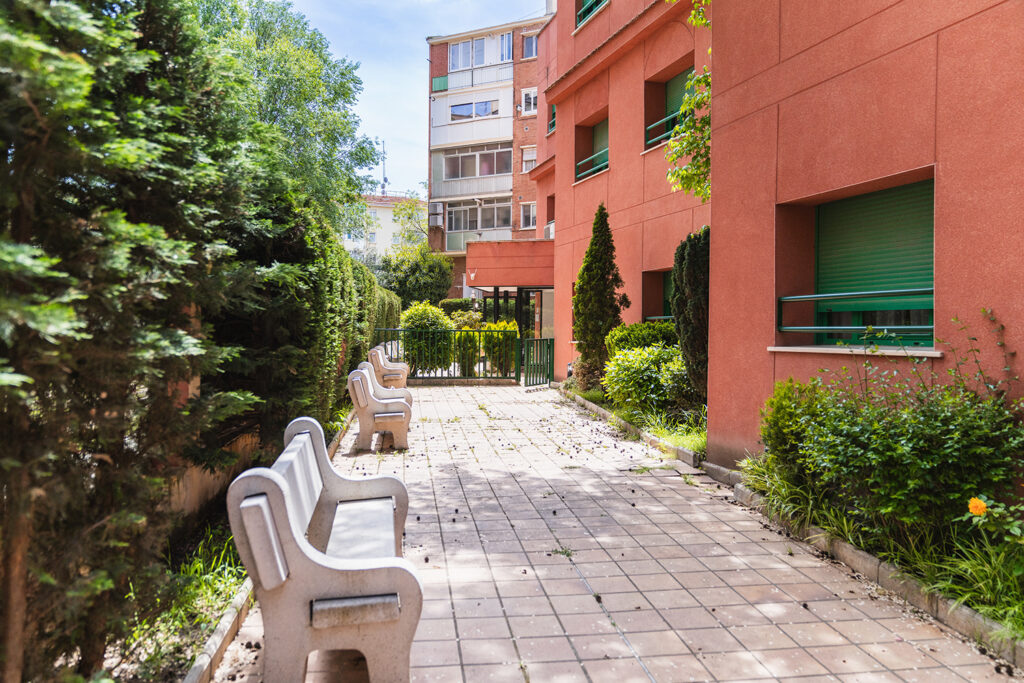
Outdoor space is only valuable if residents actually use it.
Wind, glare, and heat often make terraces and courtyards uncomfortable, especially in high-rise or exposed settings. When wind tunnel testing and thermal modeling happen during massing, design teams can see how seating areas, walking paths, and rooftop amenities will actually feel throughout the year. Projects that wait to test wind until design development often need costly retrofits (higher screens, added landscaping, modified parapets).
2. Design for aging physiology, and for seasons
Older adults experience temperatures differently. Drafts feel sharper. Temperature swings are more disruptive. Comfort ranges are often narrower than typical benchmarks assume.
Modeling indoor conditions early helps design teams calibrate zoning strategies, evaluate radiant systems, and tune the building envelope to reduce surface temperature asymmetry and cold spots.
3. Test exhaust systems before it becomes a problem
Generators, kitchens, and laundry systems produce exhaust. If stack height and intake separation aren’t tested against real wind conditions and the local building configurations, contaminants and odors can re-enter resident areas. Exhaust problems discovered post occupancy are expensive. A combined wind/dispersion check at the schematic stage prevents rework, complaints, and regulatory issues.
4. Identify noise risks while they’re still easy to fix
Senior living environments are exposed to predictable sources of environmental noise, including mechanical equipment, standby generators, delivery areas, and nearby transportation corridors. Understanding these sources is a critical first step in assessing how sound may enter a building and in defining appropriate acoustic performance requirements for the building shell.
5. Tune interiors for conversation, privacy, and enjoyment
Proper internal acoustics support social connection and cognitive ease, ensuring residents can communicate comfortably even in active communal areas. Dining rooms, lounges, and multipurpose spaces require controlled background sound, so conversations remain clear and intelligible. At the same time, materials selected for durability—such as hard surfaces—can unintentionally create echo-prone environments, which can be particularly challenging for residents with hearing loss or those using hearing aids.

6. Model daylight to support better mornings and calmer evenings
Natural light plays a powerful role in regulating sleep cycles and mood, but glare and overheating can undermine its benefits.
Daylight simulation and glare analysis during schematic design help refine glazing placement, orientation, and shading strategies before they become difficult to adjust.
7. Run ventilation diagnostics
Airflow, filtration, and pressurization strategies must align with evolving standards and infection-control expectations.
Early ventilation modeling and documentation allow design teams to validate air change rates and separation strategies before systems are finalized. This is especially critical in spaces with intermittent high loads (theaters, dining halls, activity rooms) to meet demand without drafts while limiting the potential for spreading infections.
8. Prevent “comfort fixes” through early enclosure analysis
Drafty entrances. Cold perimeter rooms. Overheated lounges.
These issues often trace back to envelope decisions made before performance was validated.
Thermal bridge modeling, airtightness targets, and glazing optimization during concept and schematic design give architects the data they need to balance aesthetics and comfort. When enclosures are addressed early, MEP systems can be rightsized, saving capital and reducing lifecycle costs.
Actionable Checklist for Senior Living Design & Architecture Teams
- ☐ Microclimate first: Run pedestrian wind/thermal studies for every outdoor resident program area.
- ☐ Envelope early: Define airtightness targets, thermal breaks, glazing SHGC, and condensation control before pricing.
- ☐ Noise maps: Identify and mitigate mechanical, generator, kitchen, and delivery noise paths; set nighttime limits.
- ☐ Exhaust siting: Complete dispersion modeling for generators and commercial exhausts; confirm intake separations.
- ☐ Daylight and circadian: Model glare; align electric light sequences with resident routines; set controls for evenings.
- ☐ Ventilation + commissioning: Document airflows, filtration, and pressurization; commission to verify comfort and cleanliness on day one.
- ☐ Thermal comfort + seasons: Model indoor comfort ranges, zoning, and radiant effects; validate performance across seasonal extremes.
- ☐ Interior acoustics: Design for speech clarity and low reverberation in dining, lounge, and multipurpose spaces; balance durable finishes with acoustic performance.
Designing for Long-Term Success
The most successful senior living communities aren’t just well designed; they are climate and performance-informed from the earliest stages.
Bringing climate and performance engineering expertise into concept and schematic stages allows design teams to:
- Validate comfort assumptions
- Reduce retrofit risk
- Protect capital budgets
- Support compliance
- Deliver environments residents genuinely enjoy
When comfort is considered early, it becomes embedded in the architecture and not corrected after occupancy.
Take the Next Step
If you lead senior living design or development, bring RWDI in at concept and schematic stages to achieve your occupant comfort objectives for the space before it becomes a punchlist item. We’ll help your team shape courtyards, rooftops, and interiors that residents love, and your operations team can sustain.